Trees provide shade, beauty, and value to your property. However, not every tree is healthy or safe. A damaged, diseased, or unstable tree can quickly become a serious hazard to your home, vehicles, family, and neighboring properties.
Knowing the warning signs can help you avoid costly property damage and dangerous situations. Here are seven signs that indicate a tree may need immediate removal.
The Tree Is Dead or Dying
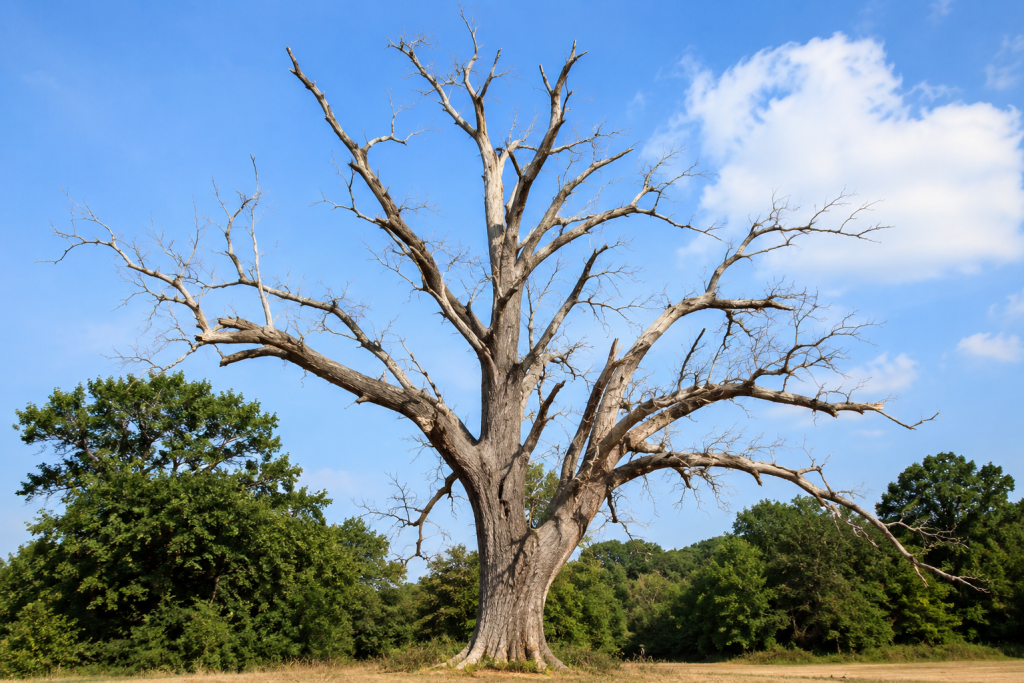
A dead tree is one of the most obvious safety risks on any property. Dead trees become brittle over time, making them more likely to drop large branches or fall completely during storms or high winds.
Signs a tree may be dead include:
- No leaves during growing season
- Large sections of missing bark
- Brittle branches that snap easily
- Fungal growth at the base
- Hollow or decaying trunk
If more than 50% of a tree is dead, removal is often the safest option.
The Tree Is Leaning Suddenly
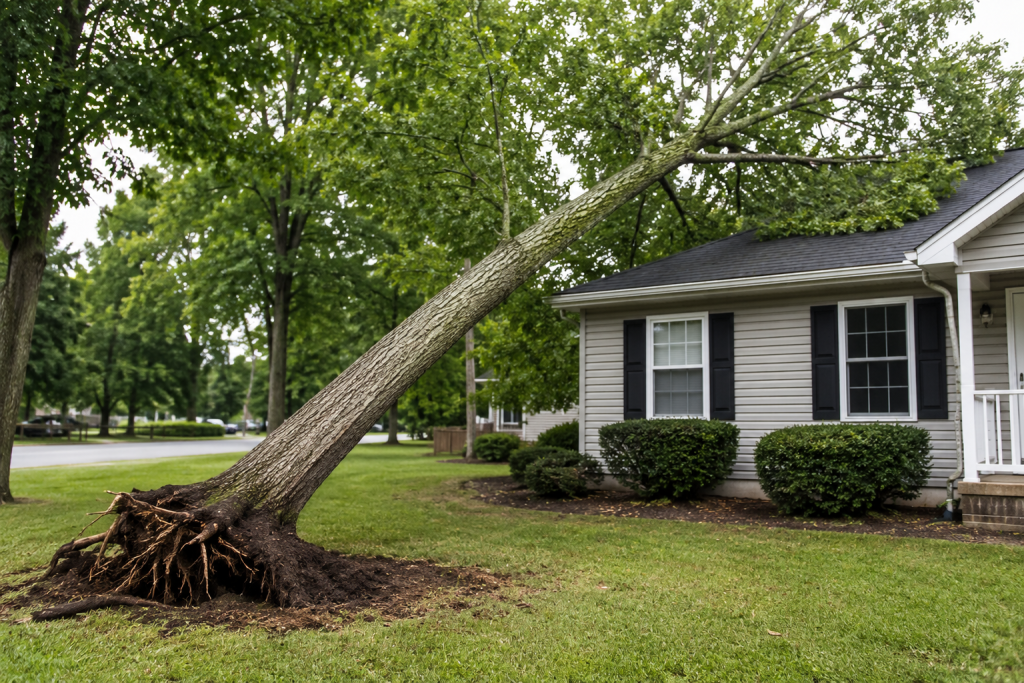
Not all leaning trees are dangerous, but a tree that suddenly begins leaning can signal serious root failure.
Warning signs include:
- A noticeable new lean
- Exposed roots on one side
- Cracked or lifted soil around the base
- Leaning toward a home, driveway, or power lines
A tree that has recently shifted position should be evaluated immediately by a professional tree service company.
Large Dead or Hanging Branches
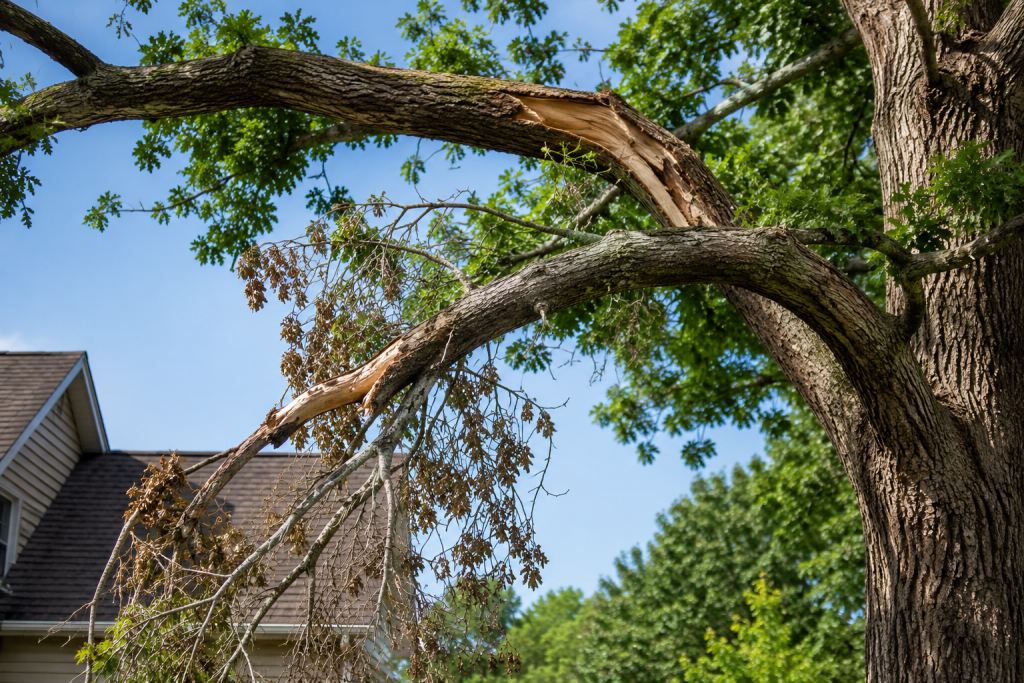
Large dead branches, often called “widow makers,” can fall without warning.
These branches may:
- Hang over homes
- Extend above driveways
- Threaten walkways
- Endanger children or pets
Even healthy trees can develop dangerous dead limbs that require immediate attention.
Deep Cracks in the Trunk
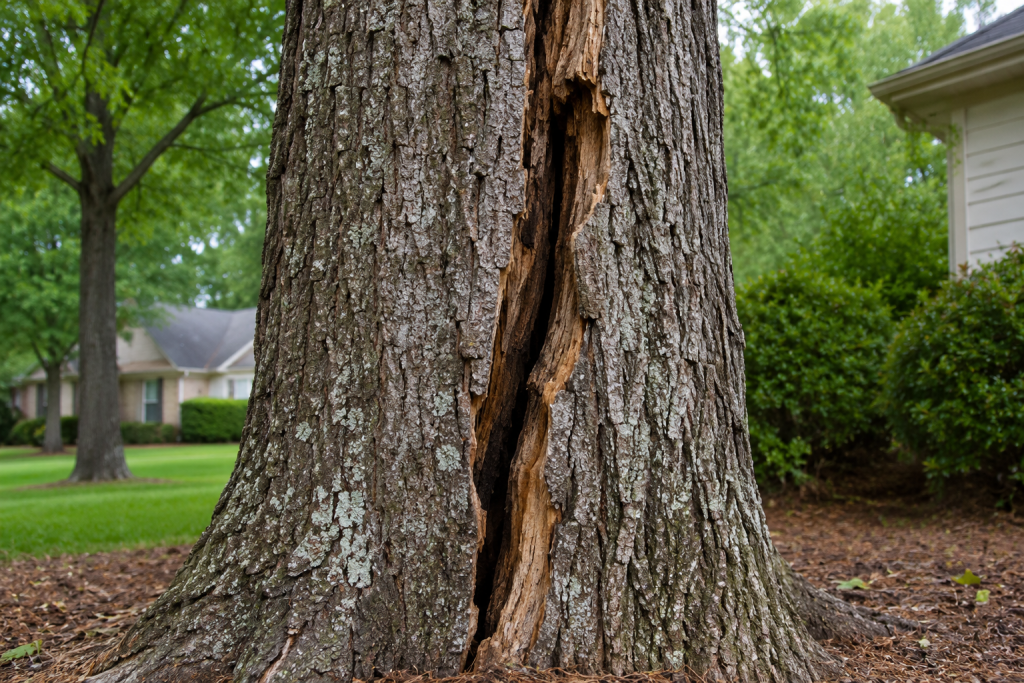
Cracks and splits in the trunk often indicate structural weakness.
Common causes include:
- Storm damage
- Lightning strikes
- Internal decay
- Disease
- Age-related deterioration
Deep vertical cracks can significantly reduce a tree’s stability and increase the risk of failure during severe weather.
Root Damage or Root Rot
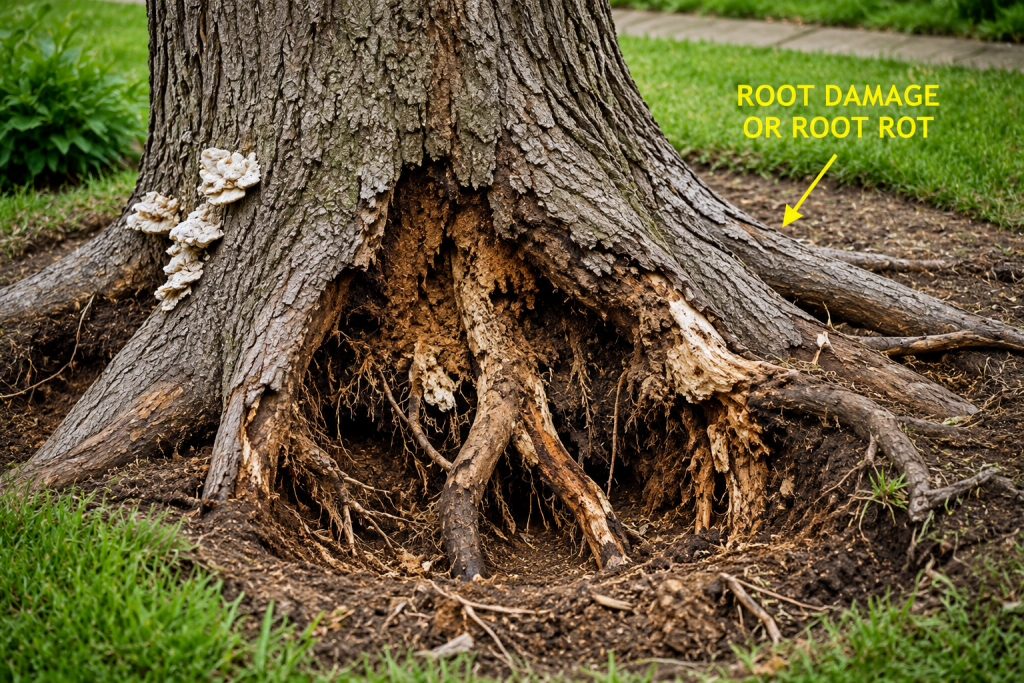
Healthy roots are essential to a tree’s stability.
A tree may need removal if you notice:
- Mushrooms growing near the base
- Soft or decaying roots
- Soil lifting around the trunk
- Recent excavation near the root system
- Significant root exposure
Because roots are hidden underground, many homeowners don’t realize there’s a problem until the tree becomes unstable.
The Tree Is Too Close to Your Home
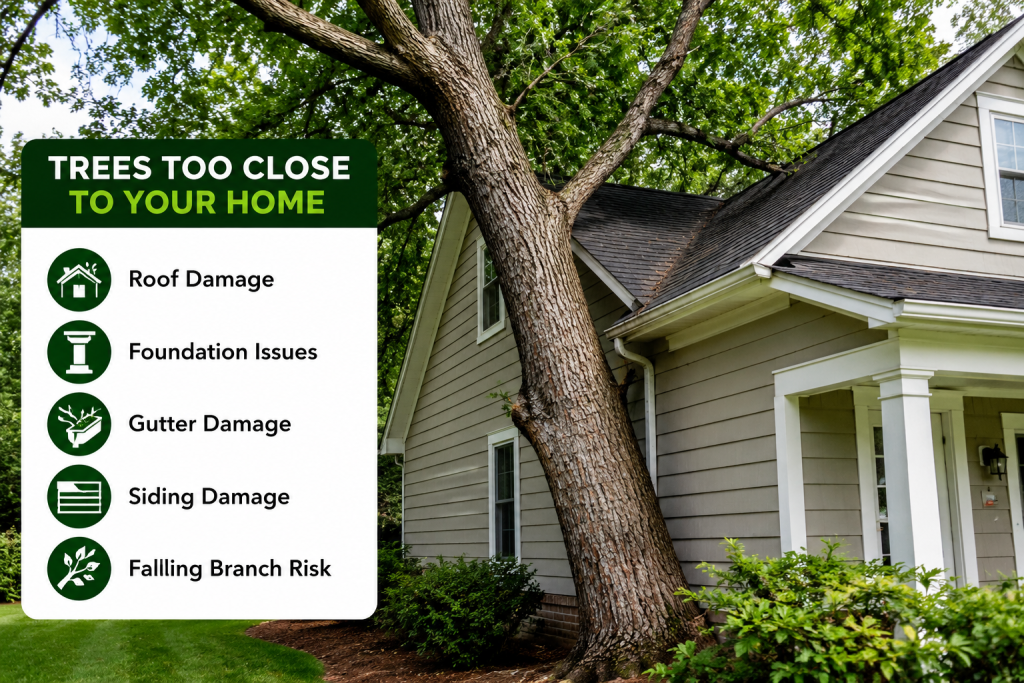
Trees that grow too close to structures can cause serious issues over time.
Potential problems include:
- Roof damage
- Foundation issues
- Gutter damage
- Siding damage
- Branches rubbing against the house
Large mature trees can become increasingly risky as they continue growing. Removing a hazardous tree before it causes damage can save thousands of dollars in future repairs.
Severe Storm Damage
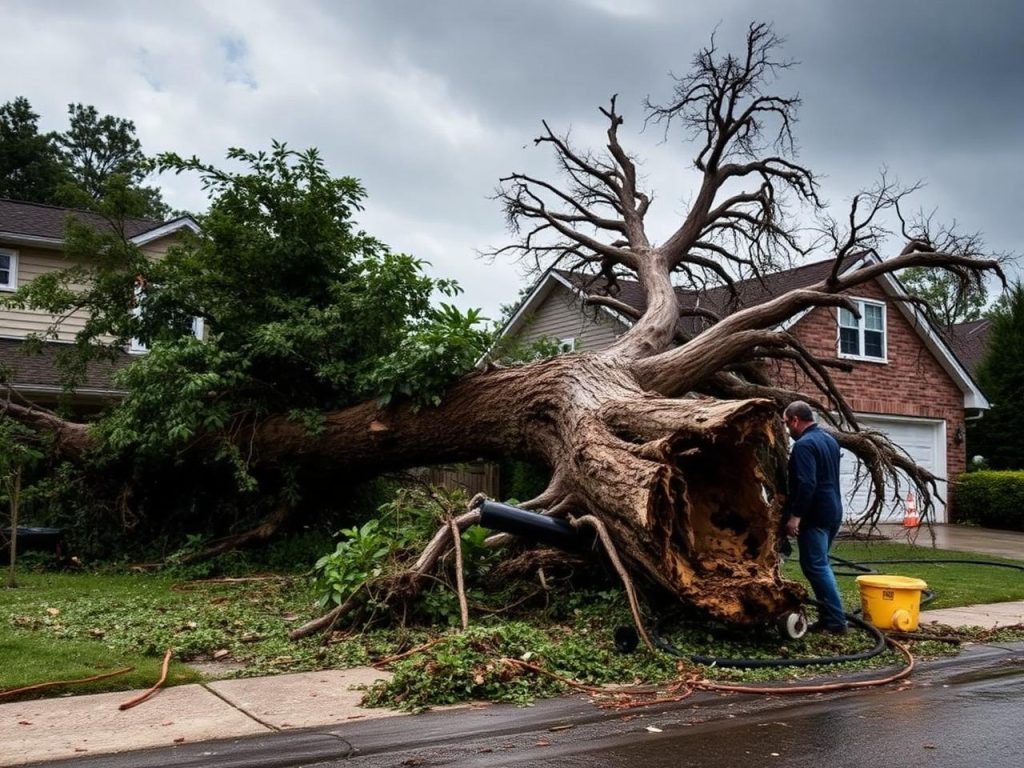
Georgia storms can cause extensive damage to trees in a matter of minutes.
After a storm, inspect trees for:
- Broken trunks
- Split limbs
- Hanging branches
- Uprooting
- Structural instability
Even if a tree remains standing, hidden damage may weaken it significantly. A professional inspection can determine whether the tree can be saved or should be removed.
When to Call a Professional Tree Service
Tree removal is dangerous work and should never be attempted without proper equipment and training. If you notice any of these warning signs, it’s important to have the tree evaluated as soon as possible.
At Metro Tree Experts, we provide professional tree removal, emergency tree services, storm damage cleanup, tree trimming, stump grinding, and land clearing throughout Metro Atlanta and surrounding communities.
Our experienced team can assess the condition of your trees and recommend the safest solution for your property.
Schedule a Free Tree Assessment
If you have concerns about a tree on your property, don’t wait until it becomes an emergency.
Contact Metro Tree Experts today for a professional evaluation and free estimate.
Metro Tree Experts
Professional Tree Removal • Emergency Tree Service • Tree Trimming • Stump Grinding • Land Clearing
Protecting Homes. Preserving Landscapes. Providing Peace of Mind.